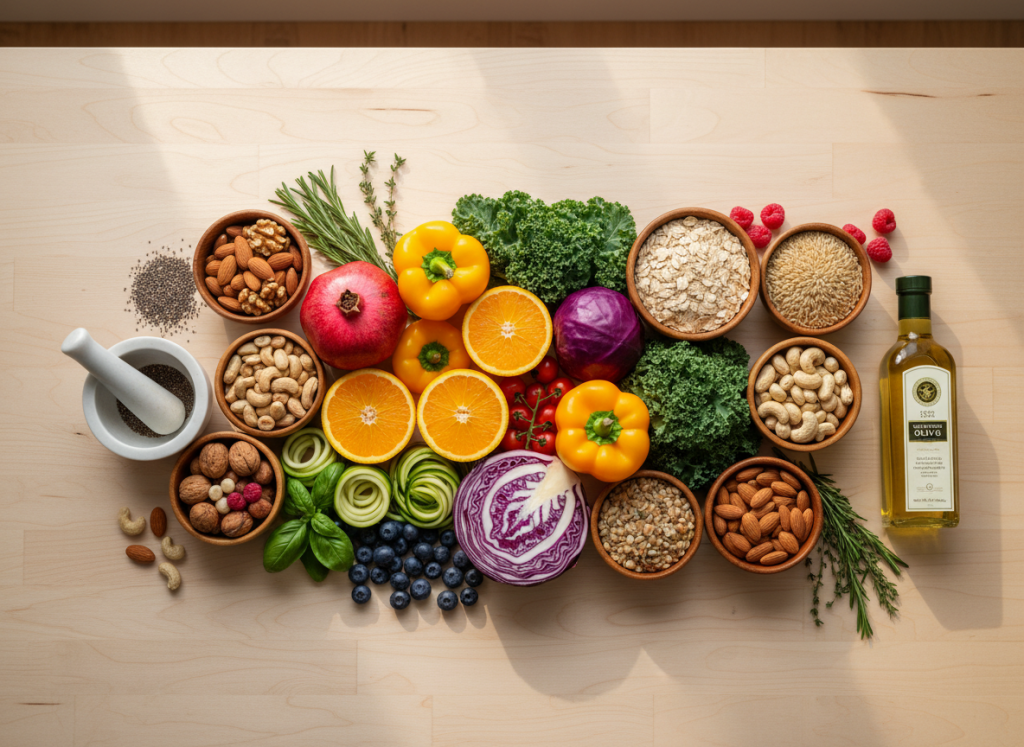
This project explores how vitamins, herbs, and nutritional supplements can support mental wellness across diverse and multicultural populations. As a health and wellness professional, understanding cultural beliefs, traditional remedies, and access barriers is essential for providing inclusive and effective guidance. By integrating evidence-based research with culturally responsive strategies, this topic demonstrates how nutrition and supplementation can be tailored to meet the needs of individuals from different backgrounds. Multicultural literacy strengthens practitioner–client relationships, improves communication, and promotes equitable wellness outcomes—making it a critical skill in today’s diverse healthcare landscape.
Why Nutrition and Supplements for Mental Wellness Matter
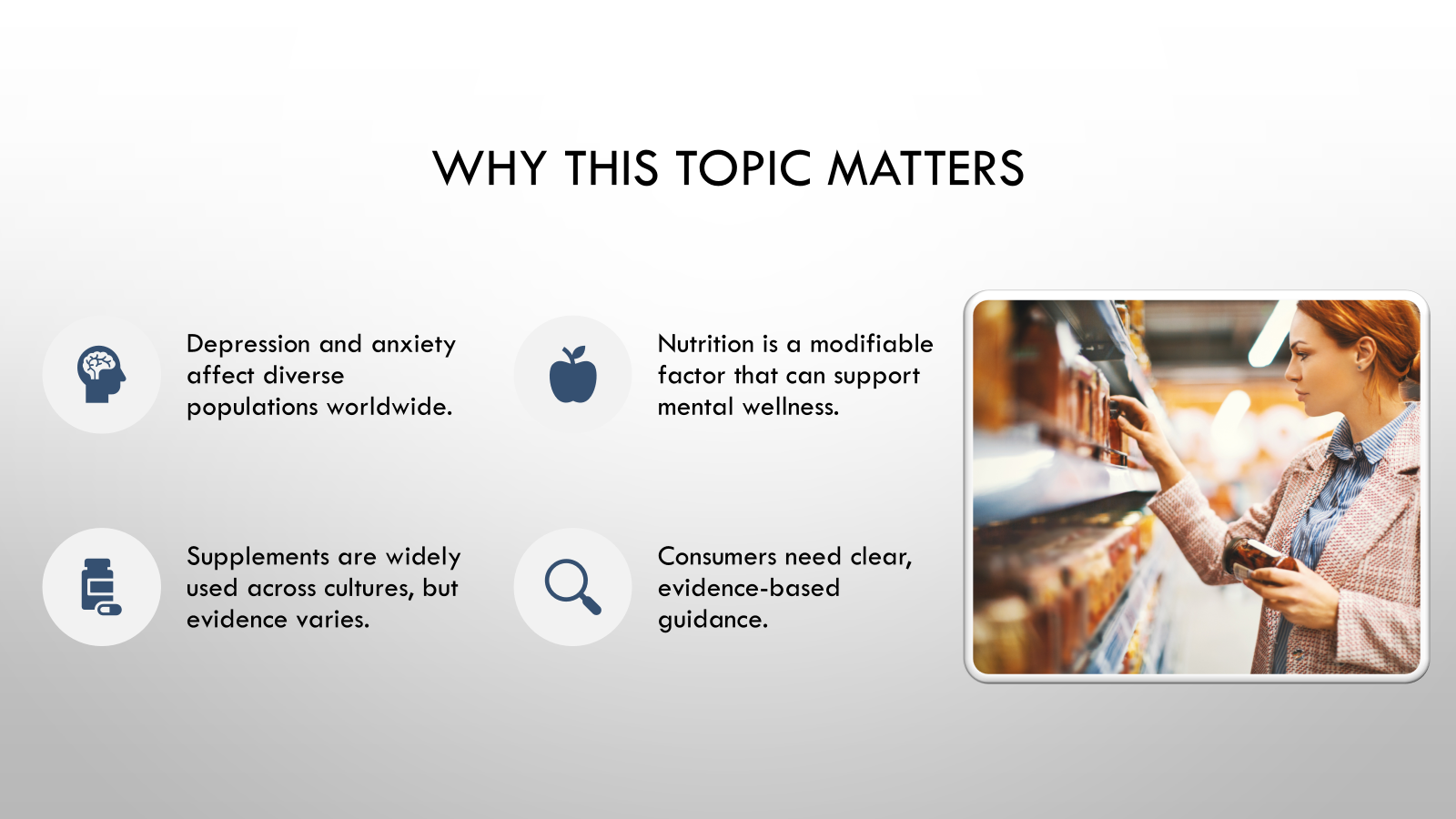
Mental health disparities persist across racial, ethnic, and socioeconomic groups. Rates of depression, anxiety, and stress-related conditions can be higher in communities that also experience discrimination, poverty, or limited access to care. At the same time, cultural background strongly shapes how people eat, which supplements they choose, and how they interpret mental health symptoms. For practitioners, the challenge and opportunity lie in bridging rigorous science with lived cultural realities.
When nutrition and supplementation are approached through a multicultural lens, they can become powerful tools for prevention, symptom support, and empowerment—rather than one-size-fits-all prescriptions that ignore culture, tradition, and structural barriers.
Multicultural Literacy in Wellness Practice
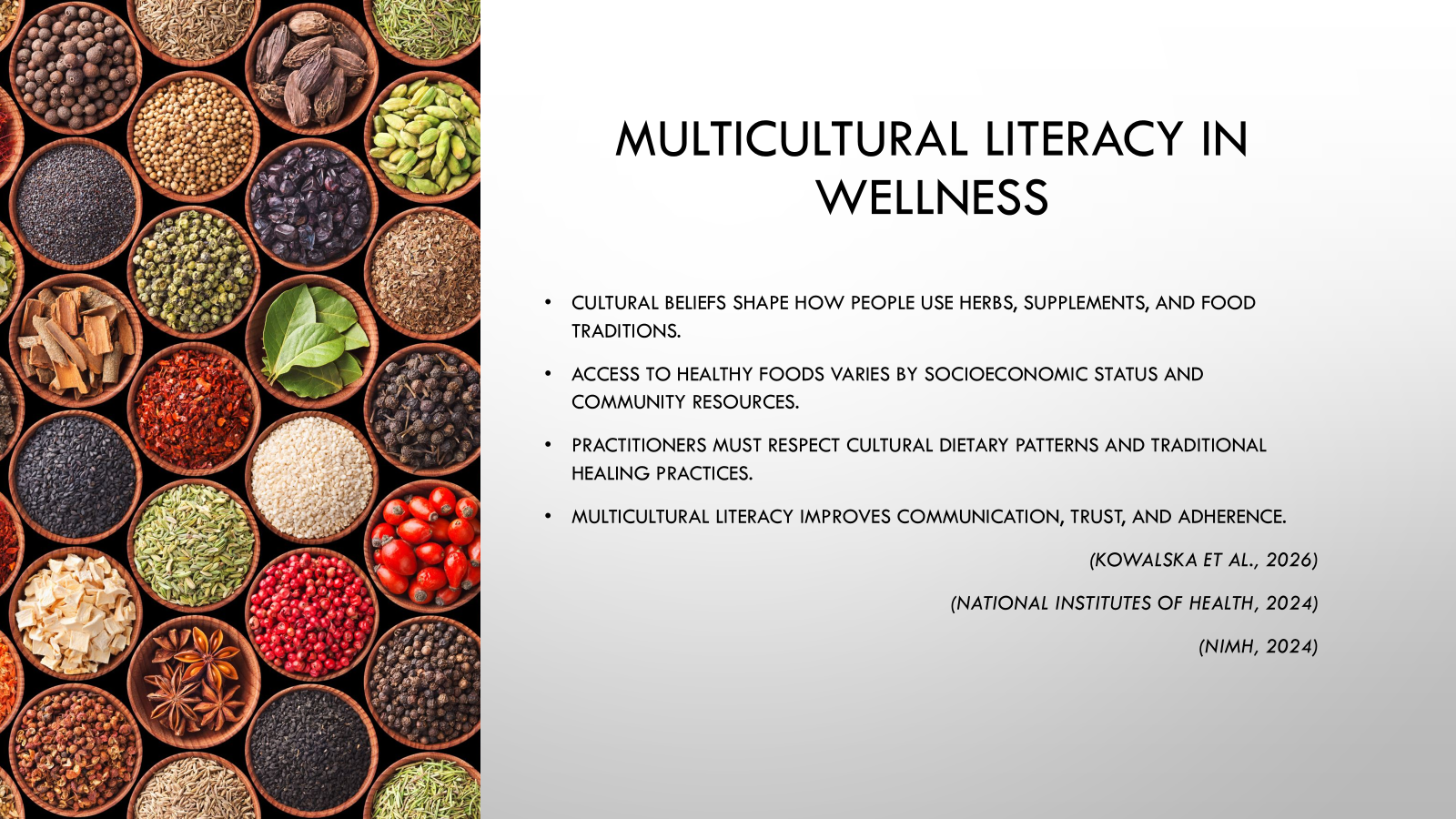
Multicultural literacy in wellness goes beyond knowing a few cultural dietary patterns. It involves actively seeking to understand a client’s worldview, values, and health beliefs, and recognizing how these shape their choices around food, supplements, and mental health care. Two individuals who share the same racial or ethnic label may have very different experiences and preferences, so assumptions can easily damage trust.
Cultural humility is a key skill. Instead of positioning oneself as the expert on a client’s culture, practitioners adopt a learning stance—asking open questions, listening closely, and sharing knowledge in a collaborative way. This approach is especially important when working with underserved communities who may have experienced bias, stigma, or neglect in healthcare settings. Respectful, culturally attuned conversations make it easier to discuss sensitive topics like depression, anxiety, and supplement use, and they lay the groundwork for truly shared decision-making.
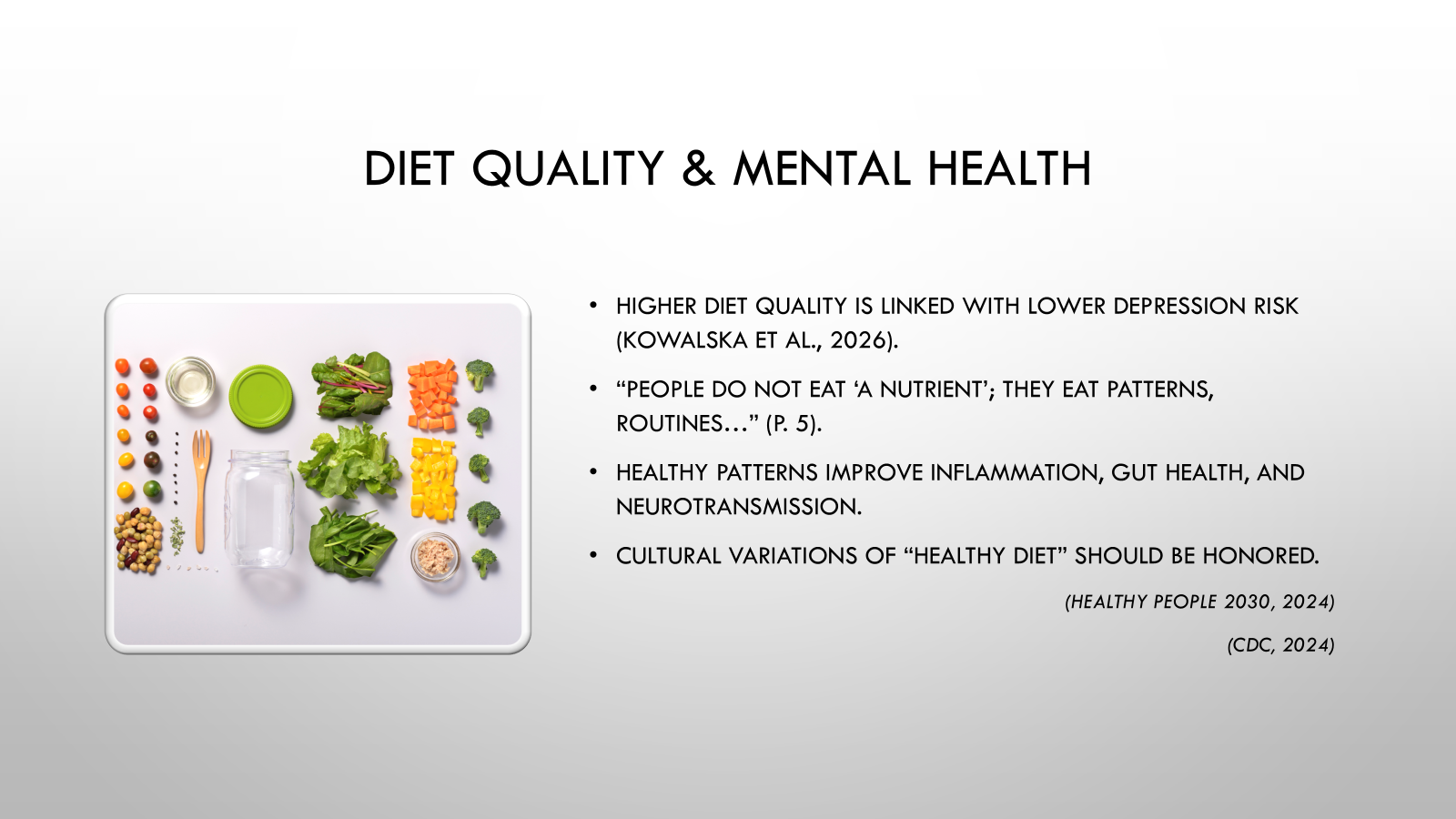
Diet Quality and Mental Health
A growing body of research highlights a strong link between overall diet quality and common mental health concerns such as depression and anxiety. Diets rich in whole, minimally processed foods—fruits, vegetables, whole grains, legumes, nuts, seeds, and high-quality proteins—tend to be associated with better mood and lower risk of depressive symptoms. Fiber and antioxidant-rich foods help regulate inflammation and blood sugar and support the gut microbiome, all of which play roles in brain function and emotional regulation.
In contrast, dietary patterns dominated by ultra-processed foods, added sugars, and refined grains are linked with increased risk of depression and anxiety. These foods are often inexpensive, heavily marketed, and more accessible than fresh options in many communities. Socioeconomic factors, neighborhood food environments, and cultural norms around eating all shape what is realistic for clients. Effective guidance must therefore acknowledge these realities and focus on achievable shifts toward higher-quality foods within a person’s cultural and economic context.
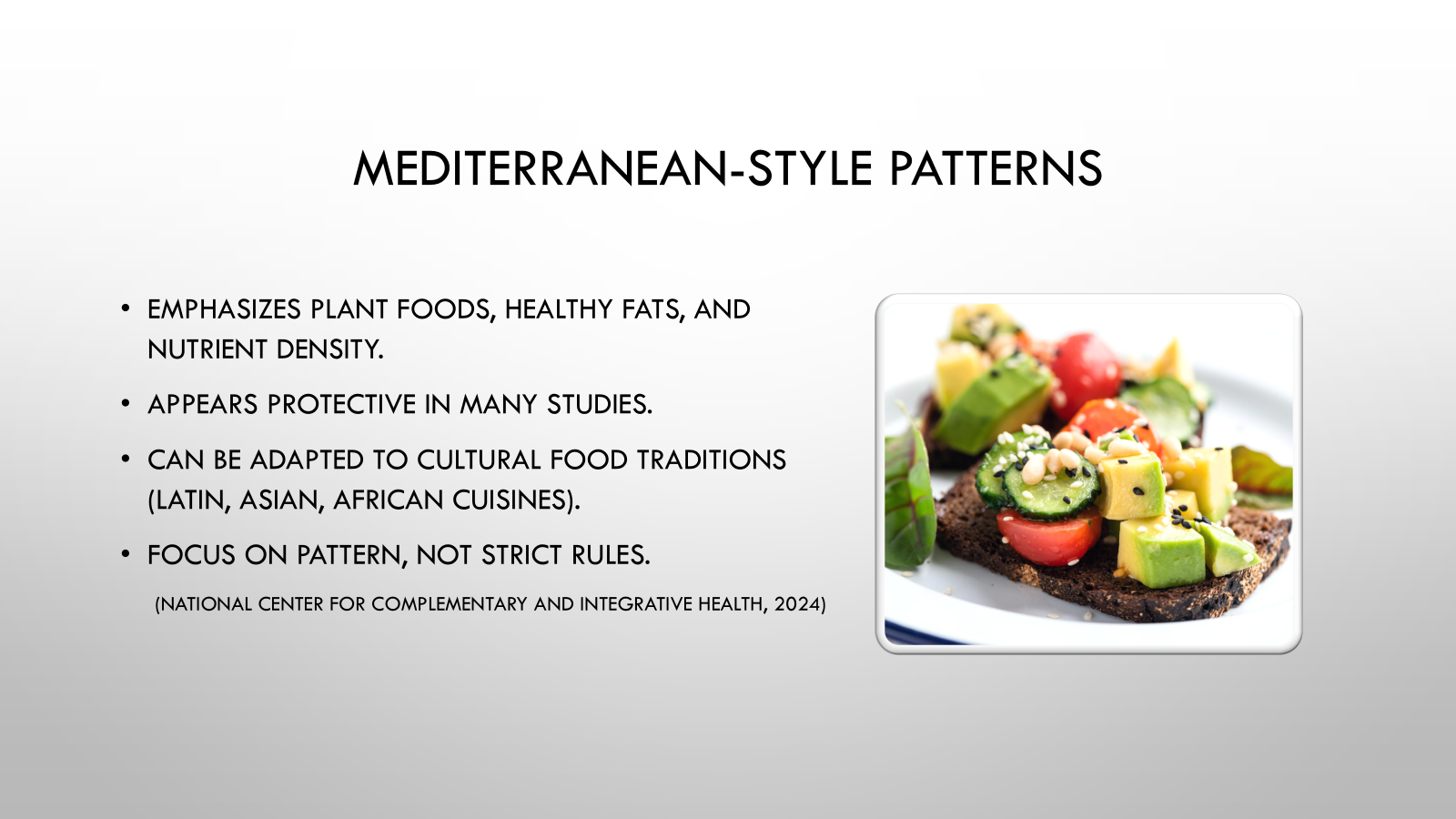
Mediterranean-Style Eating Patterns Across Cultures
Mediterranean-style dietary patterns are frequently highlighted in mental health research because they emphasize plant-based foods, healthy fats, and overall nutrient density. This way of eating typically includes generous amounts of vegetables, fruits, legumes, whole grains, nuts, olive oil, and seafood, with smaller portions of red meat and sweets. Across many studies, this pattern appears protective against depression and may support better cognitive and emotional health.
Importantly, the goal is not to impose a rigid Mediterranean diet on every client, but to translate its principles into culturally familiar meals. For example, Latin American cuisines can highlight beans, corn, avocado, fresh vegetables, and fish; many Asian traditions already center vegetables, soy, seaweed, and fermented foods; African and African diasporic cuisines can draw on leafy greens, legumes, root vegetables, and flavorful spices. Focusing on the overall pattern—rather than strict rules—allows clients to retain cultural identity while gaining the mental health benefits of a nutrient-dense eating style.
Supplements with Strong Evidence for Mental Wellness
While food is foundational, certain supplements have relatively strong evidence for supporting mental health when used appropriately and under professional guidance. Two of the best-studied are omega-3 fatty acids and magnesium.
Omega-3 fatty acids, particularly EPA and DHA from marine sources, have been associated with improvements in mood and anxiety. Research suggests a dose–response relationship, with benefits for anxiety symptoms often strongest around 2 grams per day in supplemental form. Omega-3s may be especially relevant for individuals who eat little or no fish or who follow dietary traditions where seafood intake is limited.
Magnesium participates in hundreds of biochemical reactions, including those involved in stress regulation and nervous system function. Clinical trials have shown consistent improvements in depression and anxiety symptoms with magnesium supplementation, particularly in people experiencing high stress, poor sleep, or chronic illness. Because magnesium deficiency or insufficiency is relatively common worldwide and can be influenced by diet quality, medication use, and chronic disease, it can be a useful adjunct across diverse populations when tailored to individual needs and safety considerations.
Supplements with Mixed or Emerging Evidence
Other supplements frequently discussed in relation to mental health have more mixed or emerging evidence. These can still play a role, but expectations should be realistic and decisions should be individualized.
Vitamin D appears to have stronger effects in people who are clinically depressed or deficient at baseline, while results are less consistent in the general population. B vitamins, especially B6, B9 (folate), and B12, seem to offer more benefit for stress and fatigue than for depression or anxiety alone, although they may support overall energy and resilience. Zinc has some evidence as an adjunct therapy when combined with other treatments for depression, and probiotics show promising but highly variable results, depending on the strains used and individual gut health.
Because these supplements interact with complex biological systems, and because response can vary widely across individuals and populations, they are best considered as part of a broader plan that includes diet, lifestyle, and clinical care.
Cultural Use of Herbs for Mental Wellness
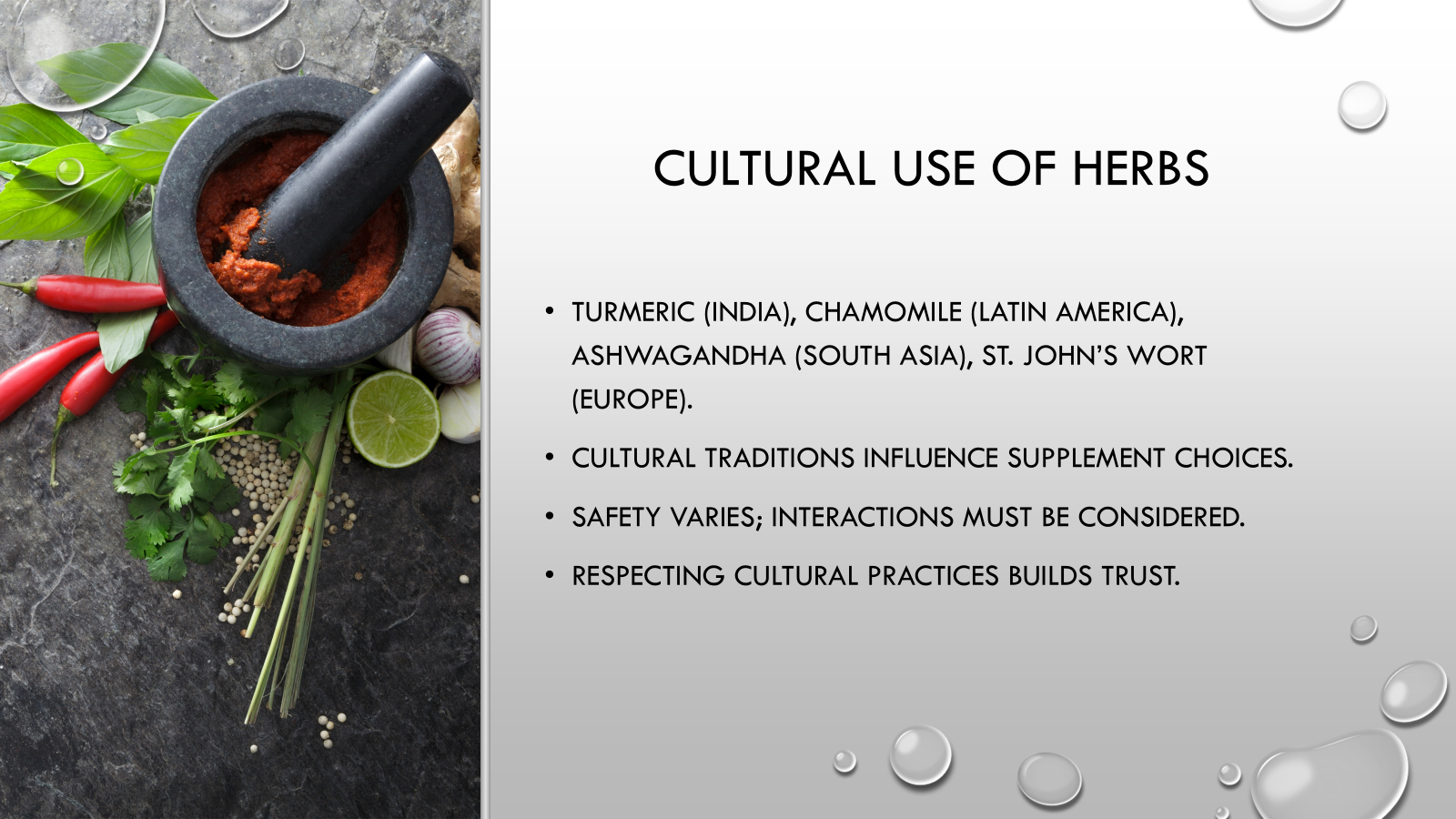
Herbal remedies have deep roots in many cultural traditions and are often part of how families care for stress, insomnia, or low mood. Turmeric is widely used in India and in South Asian diasporas, not only as a culinary spice but also for its anti-inflammatory associations. Chamomile teas are common in many Latin American households for calming and digestive support. Ashwagandha, an adaptogenic herb from South Asian traditions, is used to promote resilience to stress. St. John’s wort has a long history of use in European folk medicine for mild to moderate depressive symptoms.
Cultural traditions strongly influence which herbs people feel comfortable trying and how they use them. Respecting these practices—rather than dismissing them—is essential for building trust. At the same time, safety must remain central. Potency, quality, and drug–herb interactions vary widely. For instance, St. John’s wort can interact with antidepressants, birth control pills, and other medications. A culturally responsive practitioner explores herbal use with curiosity and care, helping clients weigh benefits and risks and, when necessary, coordinating with prescribing clinicians.
Chronic Illness and Mental Health: Special Considerations
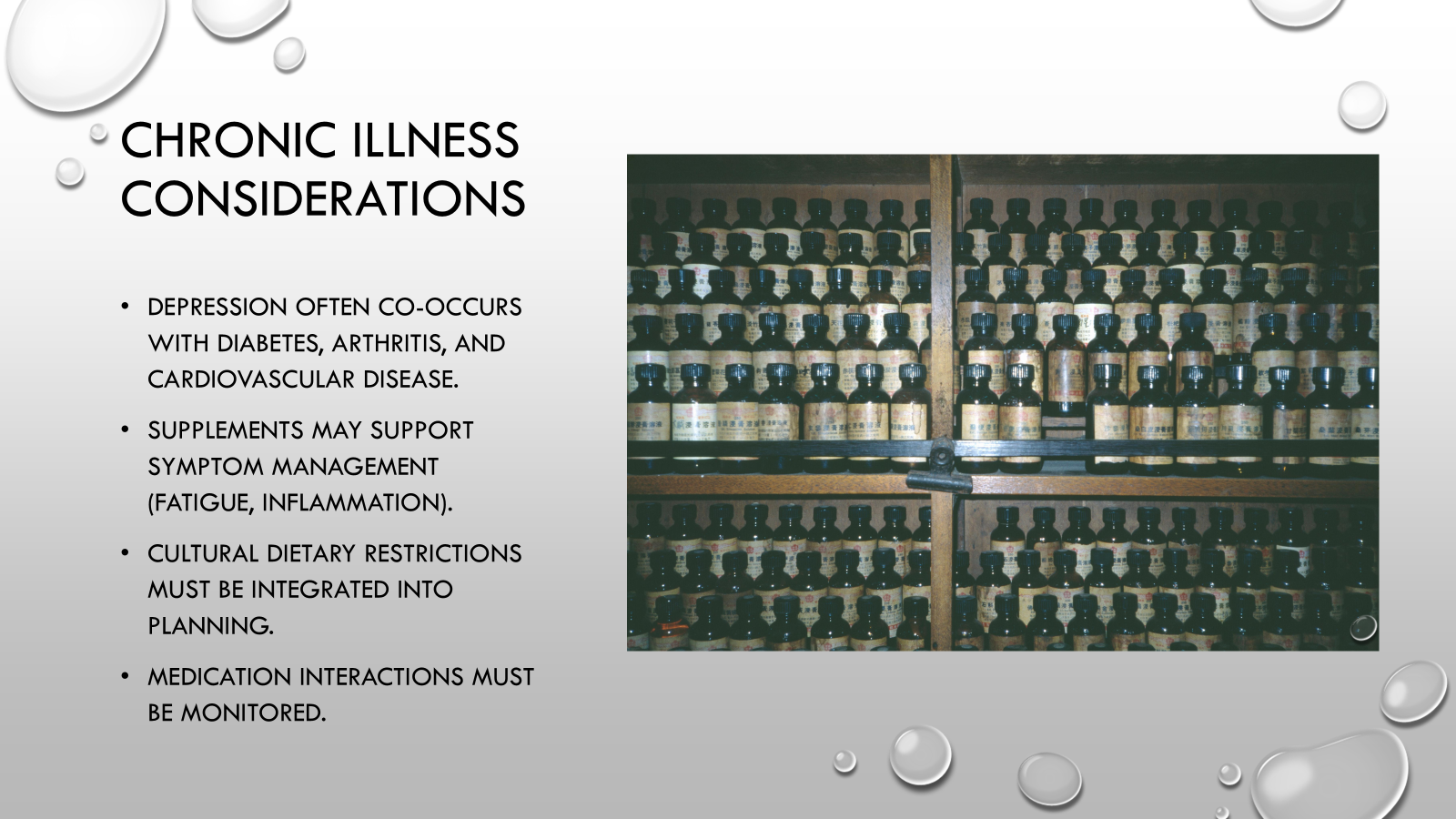
Depression and anxiety frequently co-occur with chronic illnesses such as Type 2 diabetes, arthritis, and cardiovascular disease. Pain, fatigue, sleep disturbance, and functional limitations all contribute to psychological distress. Nutritional strategies and carefully chosen supplements can sometimes help address symptoms like low energy, inflammation, or poor sleep, indirectly supporting mental wellness.
However, chronic illness care is never one-dimensional. Cultural dietary restrictions—for example, religious fasting practices or traditional celebration foods—must be integrated into planning rather than treated as obstacles. Medication interactions also require close attention, since some supplements can alter blood sugar, blood pressure, or clotting, or change how drugs are metabolized. Collaborative care, where nutrition and supplement guidance are aligned with medical treatment plans, is essential for safety and for honoring the client’s whole context.
The Gut–Brain Axis and Culturally Relevant Foods
The gut–brain axis describes the two-way communication between the digestive system and the central nervous system. Diet influences the composition and activity of gut microbiota, which in turn can affect inflammation, immune function, and stress responses—key players in mental health. Fiber-rich plant foods and fermented foods are particularly supportive of a healthy gut environment.
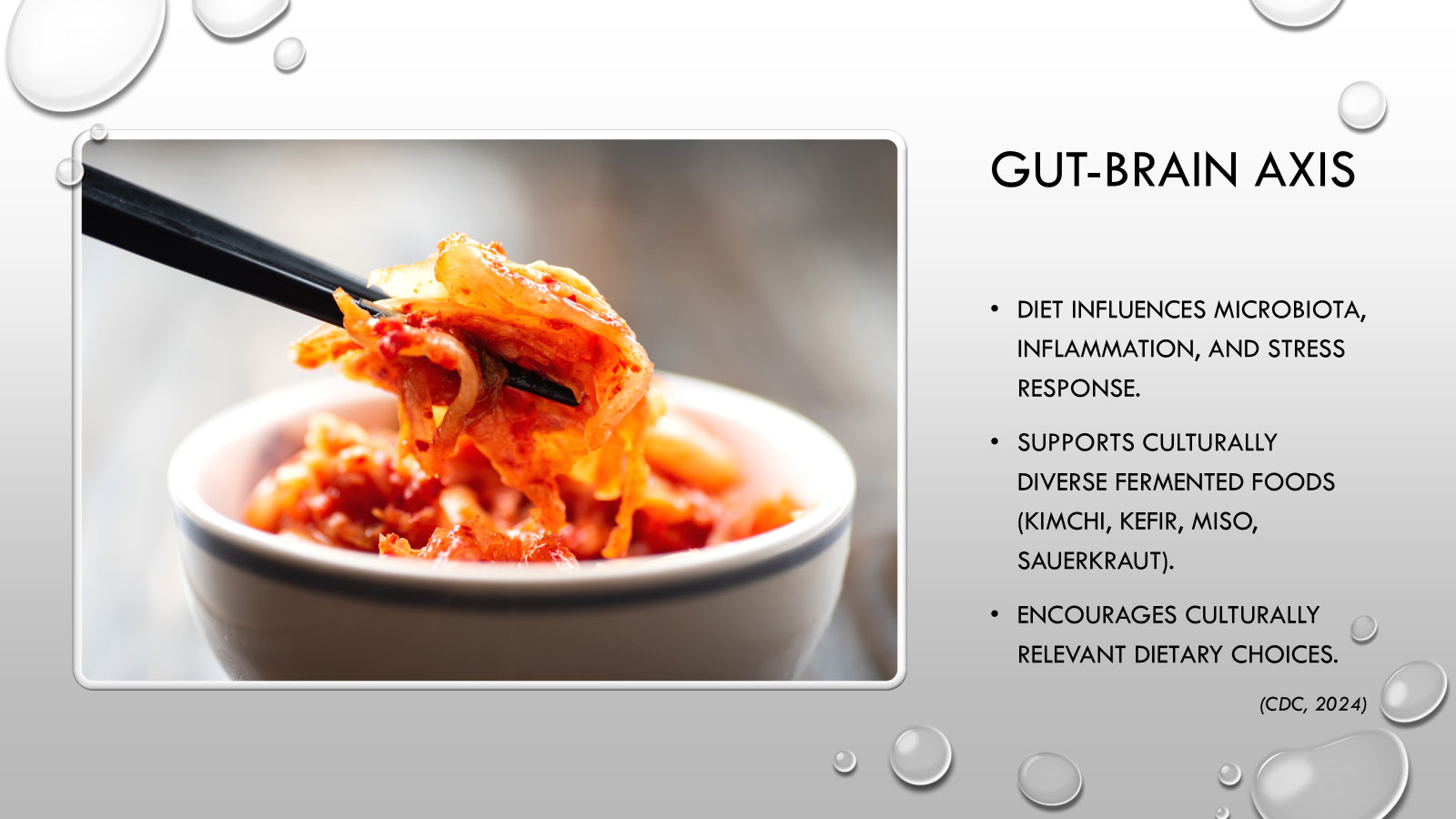
Here again, culture offers many built-in resources. Fermented foods appear in culinary traditions around the world: kimchi and miso in Korean and Japanese cuisines, kefir and yogurt in Middle Eastern and Eastern European diets, sauerkraut in Central and Northern European cooking, and many other region-specific examples. Encouraging clients to incorporate fermented foods that feel familiar and enjoyable can make gut-supportive eating more sustainable while honoring cultural identity.
Safety and Evidence-Based Supplement Use
In an era of aggressive marketing and social media wellness trends, safety and scientific grounding are non-negotiable. Practitioners have a responsibility to avoid “miracle cure” messaging and to clearly communicate that supplements are meant to complement, not replace, appropriate clinical care for mental health conditions. Serious or worsening symptoms always warrant evaluation by a qualified mental health or medical professional.
Quality control also varies widely across supplement products. Contamination, mislabeling, and inconsistent dosing remain concerns in many markets. Guiding clients toward reputable brands, ideally those that use third-party testing or certification, is a critical part of ethical practice. This is especially important in communities that may already distrust healthcare systems; transparent, evidence-informed guidance can help rebuild confidence rather than exploit vulnerability.
Practical Guidance for Consumers
For individuals and families exploring nutrition and supplements for mental wellness, a stepwise, grounded approach is most helpful. The first priority is to improve overall diet quality as much as circumstances allow—more whole foods, more color on the plate, and fewer ultra-processed items. Small, consistent changes often have more impact than short-lived overhauls.
When introducing supplements, choosing products that are third-party tested can help reduce safety concerns. It is also valuable to view cultural food traditions as strengths, not problems to be fixed. Traditional dishes, herbs, and preparation methods frequently contain elements—fiber, spices, fermented ingredients—that support both physical and mental health. Throughout the process, consumers should be encouraged to monitor their symptoms, keep their healthcare team informed about any supplements they use, and watch for possible interactions or side effects.
Strategies for Practitioners Working Across Cultures
For practitioners, culturally responsive care requires both clinical knowledge and relational skill. Asking about traditional remedies and dietary practices without judgment is a powerful starting point. Questions such as, “Are there foods, teas, or remedies your family uses when you’re stressed or not sleeping well?” invite rich conversations and signal respect.
Recommendations should then be tailored to the client’s usual dietary pattern and cultural norms, rather than to an abstract ideal. Educational materials work best when they are accessible—in language, literacy level, and format—and when they feature culturally relevant examples. Throughout, practitioners can support autonomy and informed decision-making by offering options, explaining benefits and risks clearly, and encouraging clients to voice their preferences and concerns.
Case Example: Integrating Culture, Chronic Illness, and Mental Health
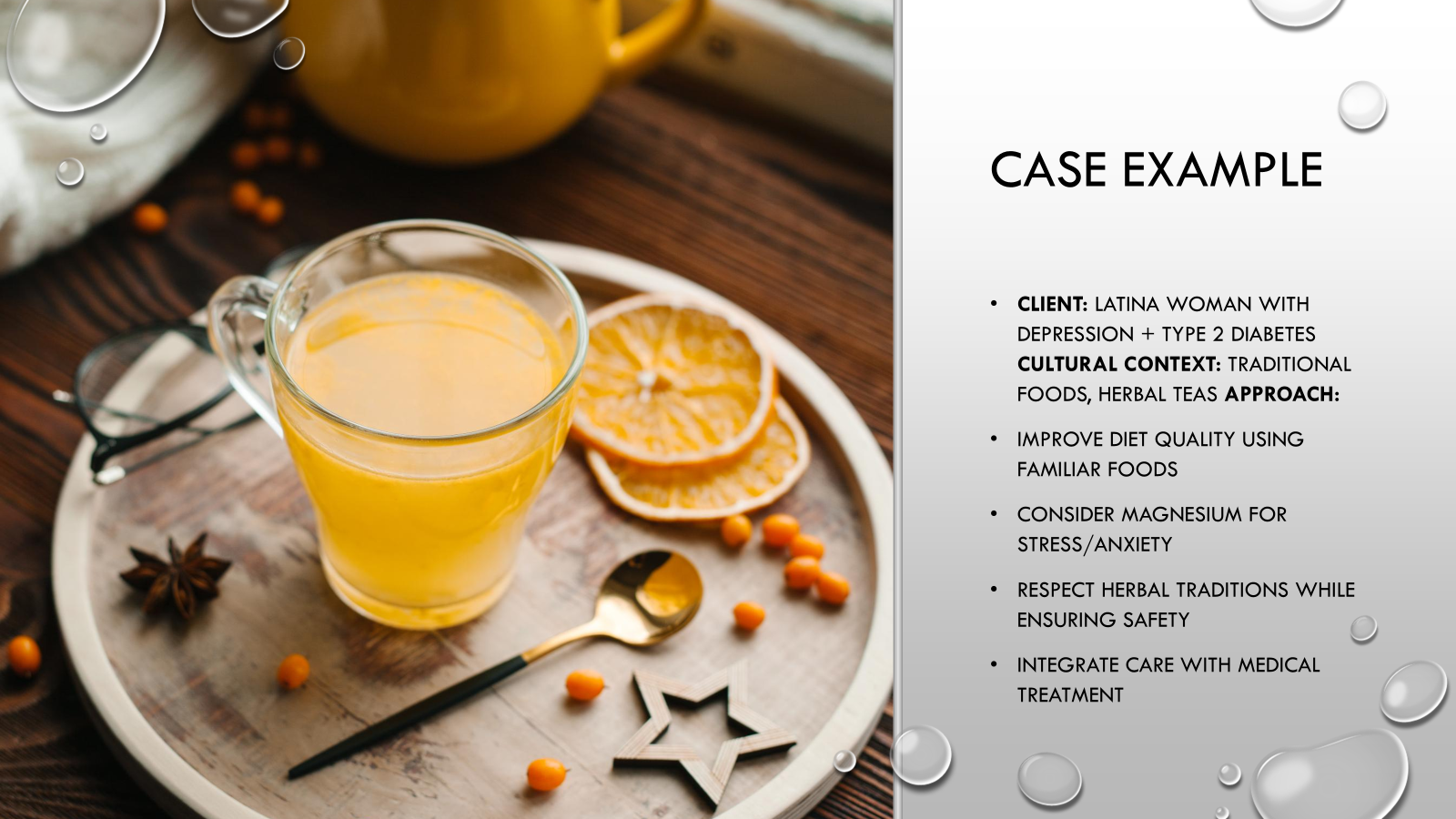
Consider a Latina woman living with depression and Type 2 diabetes. Her cultural context includes traditional foods—such as rice, beans, tortillas, and home-cooked stews—as well as herbal teas used by her family for calming and digestion. She may feel torn between medical advice that seems to criticize her cultural foods and the comfort and identity these meals provide.
A culturally responsive, evidence-based approach would begin by improving diet quality using familiar ingredients rather than abandoning them. This might involve increasing the proportion of beans and vegetables, choosing whole-grain tortillas when possible, or adjusting portion sizes of refined carbohydrates while preserving cherished recipes. Magnesium could be considered to help with stress and anxiety, particularly if her diet is low in magnesium-rich foods or if medications affect her levels. Herbal traditions are acknowledged and explored for safety—checking for interactions with diabetes medications or antidepressants—rather than dismissed.
Throughout care, her mental health treatment plan is coordinated with her diabetes management, and her own goals and values guide decisions. The result is a plan that feels both clinically sound and culturally congruent, increasing the likelihood of long-term engagement and benefit.
Bringing It All Together
Nutrition and supplements can play a meaningful role in supporting mental wellness, especially when anchored in high-quality dietary patterns and a few well-chosen, evidence-supported nutrients such as omega-3s and magnesium. Yet these tools reach their full potential only when they are woven into an approach that honors cultural context. Cultural beliefs, traditional remedies, and structural barriers all shape how people eat, which supplements they trust, and how they engage with care.
Multicultural literacy enables practitioners to connect scientific evidence with the lived experiences of diverse clients. By combining cultural humility with rigorous, evidence-based practice, professionals can offer guidance that is both safe and deeply respectful—supporting not just symptom reduction, but a more equitable, holistic vision of mental wellness across communities.
References
- Centers for Disease Control and Prevention. (2024). Smart Framework. https://www.cdc.gov/youth-advisory-councils/action-plans/smart-framework.html
- Healthy People 2030. (2024). Goals and Objectives. U.S. Department of Health and Human Services. https://health.gov/healthypeople
- National Center for Complementary and Integrative Health. (2024). Herbs at a Glance. https://www.nccih.nih.gov
- National Institutes of Health. (2024). Dietary Supplements Fact Sheets. https://ods.od.nih.gov
- National Institute of Mental Health. (2024). Mental Health Statistics. https://www.nimh.nih.gov/health/statistics
- Food and Drug Administration. (2024). Dietary Supplement Regulation. https://www.fda.gov/food/dietary-supplements
- United States Pharmacopeia. (2024). USP Verified Supplements. https://www.usp.org
- NSF International. (2024). Supplement Certification. https://www.nsf.org
- Kowalska, M., et al. (2026). Nutritional Supplementation and Mental Wellness: A Review of Evidence. Journal of Integrative Health Research.
 Balanced Roots Wellness
Leave a comment